

In today’s digital world, businesses rely heavily on online systems, cloud software, remote teams, and internet communication. While these technologies improve productivity, they also increase cybersecurity risks.
One of the simplest and most effective ways to protect your business systems is through IP whitelisting.
With Aqasco International’s IP Whitelisting Service in Pakistan, businesses can allow access only to trusted users, devices, and networks while blocking unknown or suspicious activity. This helps improve security, protect sensitive data, and ensure smooth remote operations.
Whether you are running a call center, software company, freelancing business, or remote team, IP whitelisting provides an extra layer of protection for your systems.
What is IP Whitelisting?
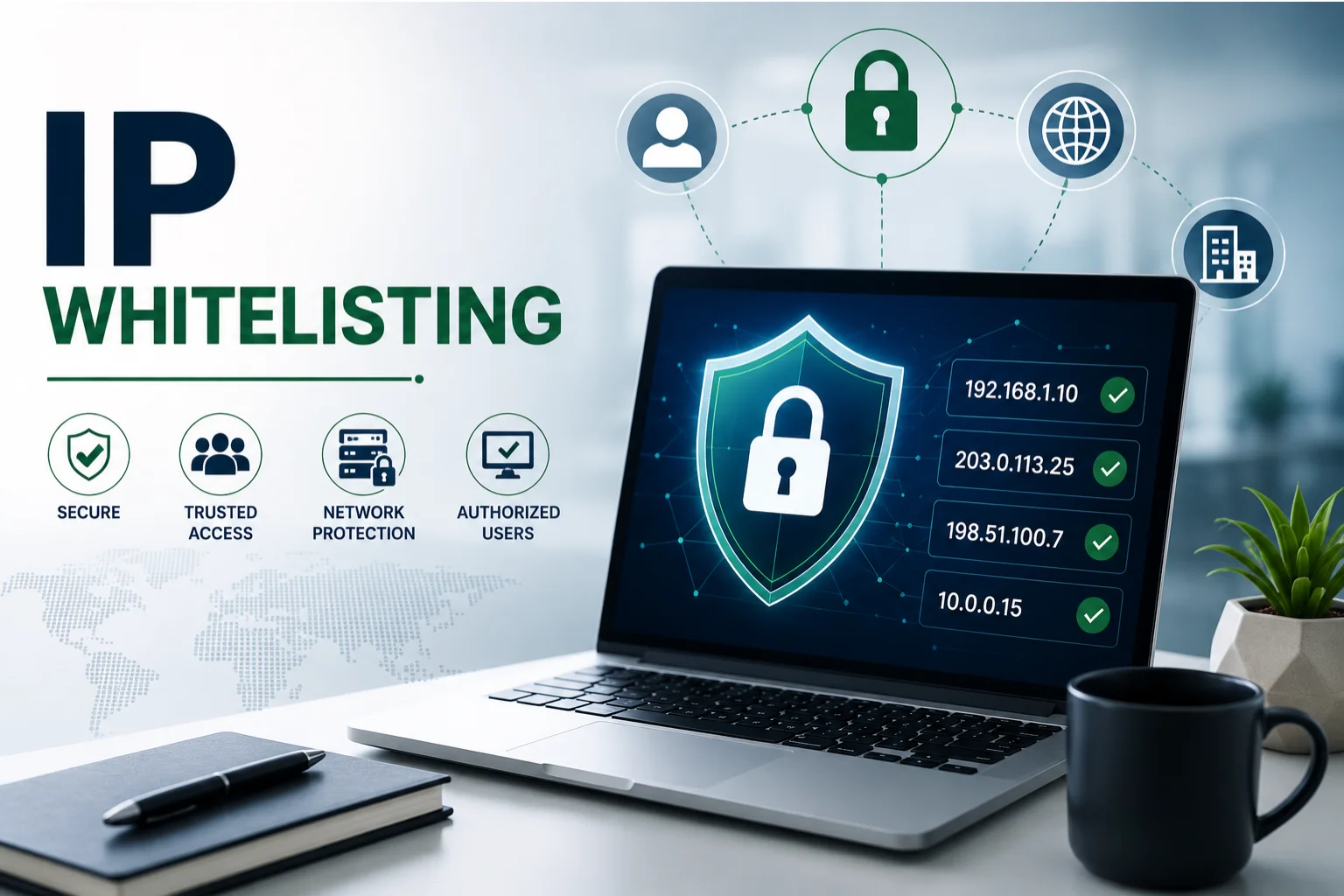
IP whitelisting is a cybersecurity method that allows only approved IP addresses to access a system, software, server, or network.
An IP address acts like a digital identity for devices connected to the internet. By creating a whitelist of trusted IP addresses, businesses can prevent unauthorized users from accessing sensitive information.
In simple words:
- Approved IP addresses = Allowed access
- Unknown IP addresses = Automatically blocked
Register Your Company
through Aqsco International Today!
Enjoy a smooth registration process and get access to essential resources. Start your IP Whitelisting with Aqsco International now!
Book A Call Now →
This improves security and reduces the risk of cyberattacks or unauthorized access.
What Does IP Whitelisting Mean in Pakistan?
In Pakistan, IP whitelisting is commonly associated with PTA approval for VPN and internet communication systems.
PTA IP whitelisting allows businesses and individuals to legally use certain internet communication services, including:
- VPN usage
- Call center operations
- Freelancing work
- Remote access systems
- Zoom & Google Meet communication
This process ensures legal and secure internet usage within Pakistan.
Why is IP Whitelisting Important?
As businesses increasingly work online, protecting systems from unauthorized access becomes extremely important.
Improved Security
Only approved users can access your systems, significantly reducing cybersecurity threats.
Secure Remote Work
Employees working remotely can safely access company systems through approved IP addresses.
Better Access Control
Businesses can decide exactly who can access important software, servers, and cloud platforms.
Protection Against Hackers
IP whitelisting blocks suspicious users, unauthorized devices, and malicious traffic.
Safer Cloud Software Usage
Companies using cloud-based CRMs, HR systems, or financial software can better protect sensitive data.
What is an IP Address?
An IP address is a unique number assigned to every internet-connected device such as:
- Computers
- Mobile phones
- Wi-Fi routers
- Servers
Examples include:
- 192.168.0.1
- 127.0.0.1
IP addresses help devices communicate over the internet.
Types of IP Addresses
Static IP Address
A static IP remains permanently the same.
Dynamic IP Address
A dynamic IP changes whenever the device reconnects to the internet.
Static IPs are usually more suitable for IP whitelisting systems.
Types of Whitelisting
Whitelisting is not limited to IP addresses only. Businesses can use different types depending on their security needs.
1. IP Address Whitelisting
Allows only approved IP addresses to access systems or networks.
2. Application Whitelisting
Only trusted applications are allowed to run on company devices.
3. Email Whitelisting
Specific email addresses or domains are approved to avoid spam and phishing attacks.
4. URL Whitelisting
Users are only allowed to access trusted websites.
5. Device Whitelisting
Only approved devices can connect to the business network.
How Does IP Whitelisting Work?
The process is relatively simple.
Businesses create a list of approved IP addresses inside their system or firewall settings.
When someone tries to access the system:
- Approved IP = Access granted
- Unknown IP = Access denied
This helps businesses maintain strict control over network access.
How to Whitelist an IP Address
The process varies depending on the platform or system being used.
Basic Steps Include:
- Identify the IP address
- Open firewall or network settings
- Add the IP address to the whitelist
- Save and apply settings
Different systems such as Windows, Linux, cloud platforms, or hosting servers may have slightly different steps.
PTA IP Whitelisting in Pakistan
Businesses in Pakistan often require PTA IP whitelisting for VPNs, call centers, and remote communication tools.
Applications can usually be submitted online through PTA systems.
Documents Required for PTA IP Whitelisting
Requirements depend on the type of applicant.
For Companies
- CNIC copies
- Company registration documents
- Tax registration proof
For Freelancers
- CNIC copies
- Client or employer verification letter
For Call Centers
- CNIC copies
- PSEB registration certificate
- Company incorporation documents
- Taxpayer proof
For Video Conferencing
- CNIC copies
- Organization verification letter
How to Apply for Call Center IP Whitelisting
Call centers in Pakistan must complete proper PTA registration to operate legally.
Basic Process
- Submit application via official PTA channels
- Attach required documentation
- Provide PSEB registration details
- Complete verification process
Once approved, PTA officially whitelists the company’s IP addresses.
Benefits of IP Whitelisting for Businesses
Businesses across Pakistan can gain multiple advantages through IP whitelisting.
Stronger Data Protection
Sensitive customer and company information remains protected.
Controlled Employee Access
Only authorized employees can access internal systems.
Better Cybersecurity
Whitelisting reduces risks from hackers and suspicious traffic.
Safer Remote Teams
Employees working from home can securely access business systems.
Improved Business Compliance
Certain industries require controlled access and communication systems for compliance purposes.
Challenges of IP Whitelisting
Although IP whitelisting improves security, it also comes with some limitations.
Difficult to Manage Large Networks
Managing hundreds of IP addresses can become complicated for large companies.
Dynamic IP Problems
Users with changing IP addresses may require constant updates.
Risk of IP Spoofing
Advanced hackers may attempt to imitate approved IP addresses.
Emergency Access Issues
Employees may face temporary access problems if their IP is not approved.
Where IP Whitelisting is Most Useful
IP whitelisting is especially useful for businesses that require secure digital access.
Common Use Cases
- Call centers
- Software houses
- Cloud-based businesses
- Remote teams
- Financial systems
- Smart devices & IoT systems
- Government organizations
How Aqasco International Helps with IP Whitelisting
At Aqasco International, we simplify the complete IP whitelisting process for businesses across Pakistan.
Our team helps companies secure their systems while ensuring smooth setup and compliance.
Our IP Whitelisting Process
1. Security Assessment
We analyze your current system and business requirements.
2. Trusted IP Identification
We help identify the correct IP addresses for secure access.
3. Whitelisting Configuration
Our experts configure firewall and network settings properly.
4. Testing & Verification
We test the system to ensure only approved users can access it.
5. Ongoing Support
Need to add or remove IPs later? Our team provides continuous support.
Why Choose Aqasco International?
Businesses trust Aqasco International because we provide:
- Fast setup process
- Professional support
- Secure configuration
- PTA compliance guidance
- Customized access control solutions
- Ongoing technical assistance
We focus on making your systems safer without creating unnecessary complexity.
Final Thoughts
IP whitelisting is one of the most effective ways to secure business systems, especially for organizations handling sensitive information or remote operations.
By allowing access only to trusted users and devices, businesses can reduce cybersecurity risks, improve control, and operate more securely.
Whether you run a call center, freelancing agency, software house, or remote business team, Aqasco International can help you implement a secure and reliable IP whitelisting solution in Pakistan.
FAQs About IP Whitelisting in Pakistan
What is IP whitelisting?
IP whitelisting is a security method that allows only approved IP addresses to access a system or network.
Why is PTA IP whitelisting required?
PTA IP whitelisting helps regulate secure and legal use of VPNs, call centers, and communication systems in Pakistan.
Can freelancers apply for IP whitelisting?
Yes, freelancers using VPNs or remote communication tools may apply for PTA IP whitelisting.
Is IP whitelisting secure?
Yes, IP whitelisting improves security by blocking unauthorized users and suspicious access attempts.
What is the difference between whitelisting and blacklisting?
Whitelisting allows only approved users, while blacklisting blocks only specific restricted users.
Can dynamic IP addresses be used for whitelisting?
Dynamic IPs are less suitable because they change frequently, making management difficult.
Contact Aqsco International for
Professional Help
It can be difficult and time-consuming to navigate the IP Whitelisting process.
Our experts help you complete everything smoothly without mistakes.
Leave a Reply